Fall is one of the most important maintenance seasons for homeowners’ associations (HOAs). From winterizing community amenities to addressing seasonal wear and tear, every managed community has unique winter preparation needs. This guide highlights key maintenance priorities for board members and community managers, helping reduce emergency repairs, enhance resident safety, preserve curb appeal and property values, and improve budget predictability throughout the colder months.
1. Conduct a community-wide property inspection.
Before diving into seasonal projects, start with a comprehensive HOA property inspection. Taking abroad view of the community’s overall maintenance needs can help prioritize repairs, identify potential issues early, and ensure your fall HOA maintenance checklist focuses on the areas that matter most.
Consider hiring a property inspector to assess key community assets, including:
- Roofs and gutters
- Landscaping and trees
- Drainage systems
- Sidewalks, roads, and parking areas
- Community amenities and common spaces
A professional inspection can uncover maintenance concerns that may otherwise go unnoticed and help determine which repairs should be completed before winter weather arrives. Even if some projects need to be deferred, documenting their condition now can support more accurate budget planning and reserve forecasting in the months ahead.
Planning long-term seasonal projects? Read: "How to Prepare Your Community for Fall Projects Before Summer Ends."
2. Clear gutters, drainage systems, and storm water areas.
Water management should be a top priority when preparing your community for winter. As temperatures drop, clogged gutters, blocked drains, and poor drainage can quickly turn into costly issues. During your seasonal maintenance review, clear leaves and debris from gutters and storm drains, check drainage pathways for blockages, and look for signs of erosion or water pooling.
Proactively addressing drainage concerns before winter can help reduce the risk of flooding, foundation damage, icy walkways, and landscape deterioration. Taking the time to evaluate these systems early can prevent larger maintenance challenges and emergency repairs later in the season.
3. Refresh landscaping and winterize green spaces.
Proper landscaping does more than enhance curb appeal. It helps protect community assets, improve safety, and reduce seasonal maintenance issues. As part of your HOA winter preparation, take time to identify and address landscaping concerns before the frost arrives.
Avoid winter-related risks by:
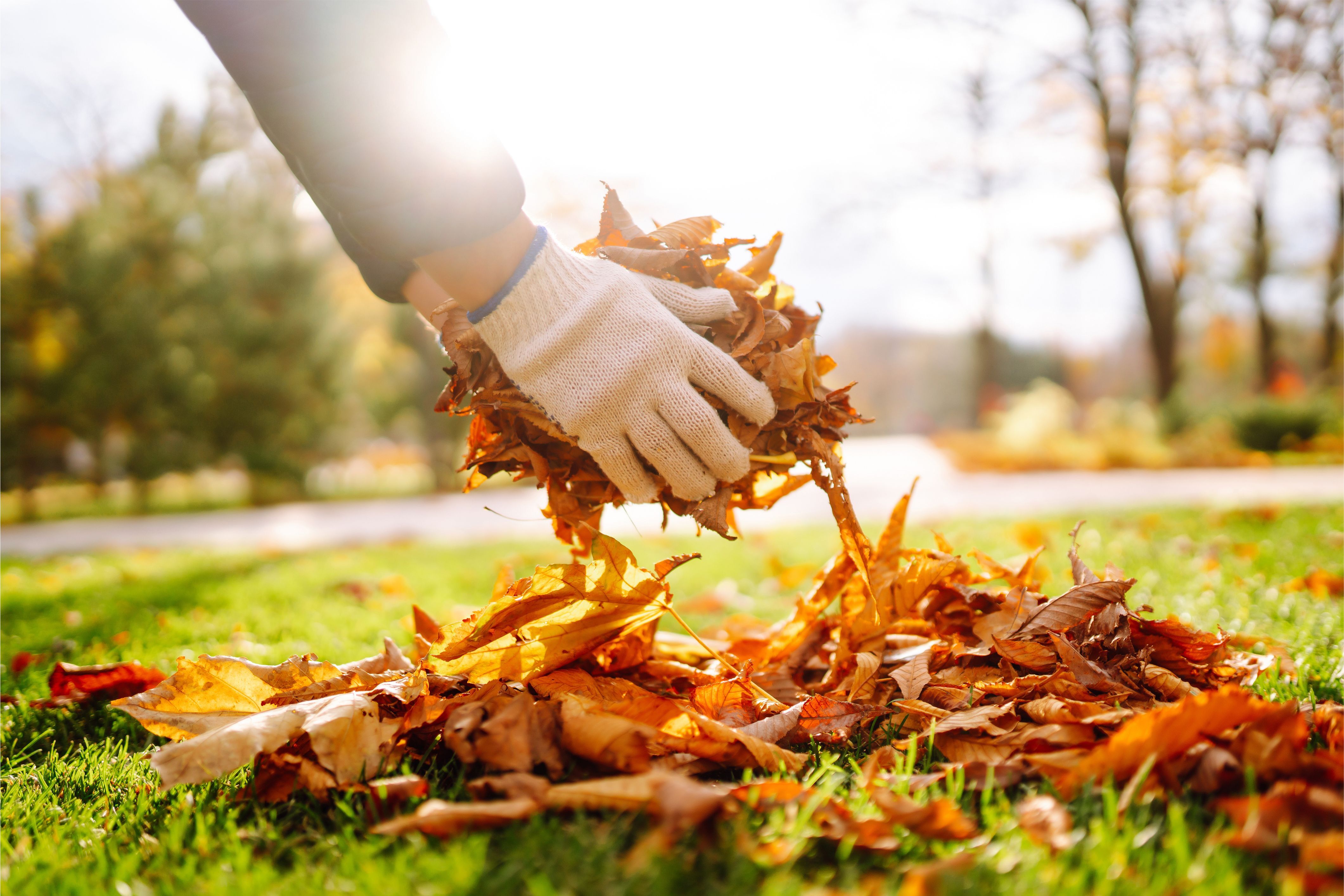
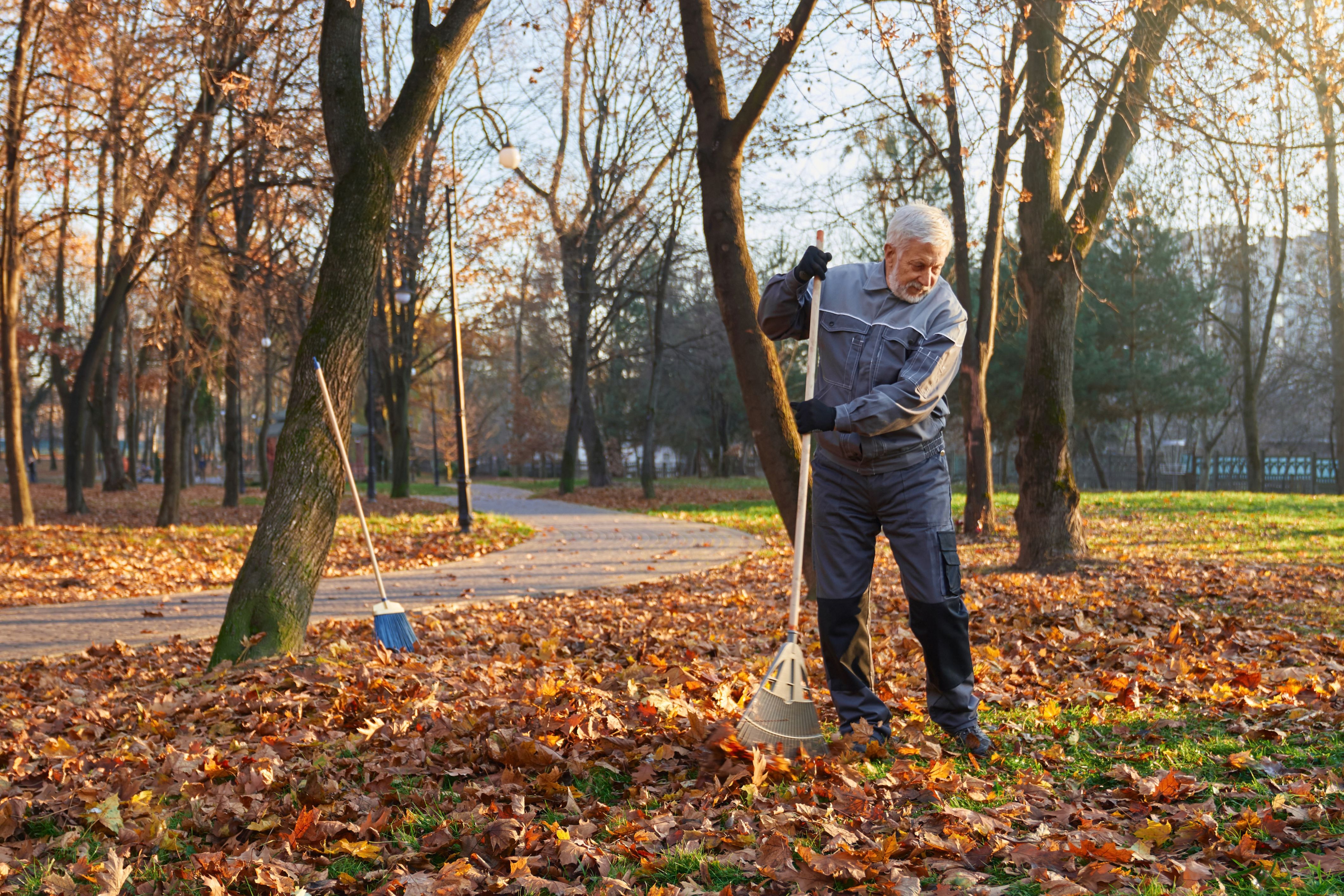
- Removing dead plants, damaged shrubs, and fallen tree limbs
- Trimming branches that could become safety hazards during winter storms
- Refreshing seasonal plantings with cold-weather plants suited to your region
- Winterizing irrigation systems and outdoor water lines where applicable
- Identifying landscape areas that may require replacement planting in the spring
Addressing these tasks in the fall can help prevent property damage, reduce safety risks, and keep your community looking its best throughout the winter season.
Thinking beyond seasonal landscaping? Discover: "Creating Healthier Outdoor Spaces for Communities"
4. Address roads, sidewalks, and other safety hazards.
As the days get shorter and temperatures drop, small maintenance issues can lead to larger safety risks. Fall is the ideal time to address repairs before winter weather, reduced visibility, and increased foot traffic create additional challenges. Proactively tackling these concerns can help improve resident safety, reduce liability, and minimize costly emergency repairs throughout the season.
Prioritize the following HOA common area maintenance tasks:
- Repair cracked pavement and damaged walkways
- Address trip hazards throughout the community
- Inspect handrails, stairways, and other high-traffic areas
- Evaluate lighting in common areas, parking lots, and pathways
- Review playgrounds and recreational amenities for safety concernsa
By identifying and resolving potential risks before winter arrives, boards and community managers can help keep residents safe while protecting community assets.
5. Winterize buildings, amenities, and shared infrastructure.
Many community managers and boards have weathered their fair share of seasonal challenges, making an annual winter preparedness plan an essential part of HOA maintenance planning. Preparing for cold weather starts with key winterization tasks, including inspecting exposed plumbing, servicing heating systems, evaluating clubhouse and amenity buildings, and resealing doors and windows to help prevent damage and improve energy efficiency.
Proactive winterization helps reduce the risk of weather-related damage while protecting both residents and community assets. Completing key preventive maintenance tasks before temperatures drop can help avoid costly emergency repairs, extend the life of community infrastructure, and ensure your HOA is better prepared to respond when winter weather arrives.
Help homeowners prepare for the colder months. Check out: “Winter Maintenance: 5Things You're Forgetting to Do.”
6. Confirm vendor and contractor readiness for winter.
HOA winter preparation requires more than a seasonal checklist. It also depends on strong vendor relationships. Before colder weather arrives, take time to confirm that vendors, contractors, and other service providers are prepared to support your association’s winter maintenance needs and response plans.
Key conversations include:
- Confirming emergency response procedures
- Verifying vendor contact information
- Reviewing contract expectations and service levels
- Discussing weather-related contingencies and response timelines
Once vendor expectations are aligned, boards and community managers can focus on broader seasonal priorities such as snow removal, landscape management, and critical infrastructure repairs.
7. Use fall maintenance assessments to build next year's HOA budget.
Maintenance and budget planning go hand in hand. Fall inspections and seasonal maintenance projects can reveal recurring issues, aging assets, and upcoming repair needs, helping boards and community managers make more informed budgeting decisions. This is also a good time to review reserve fund needs and prepare for future capital expenses.
Use this season’s findings to evaluate:
- Repairs that could impact next year's operating budget
- Long-term maintenance and capital projects
- Upcoming infrastructure replacement needs
- Vendor quotes for aging assets and major repairs
Turning fall maintenance insights into budget priorities encourages more effective community planning, promotes proactive project funding, and minimizes unexpected costs down the road.
8. Communicate winter expectations and updates to residents.
Even the best HOA winter maintenance plan can fall short without clear communication. Keeping residents informed about seasonal maintenance schedules, project timelines, weather-related updates, and homeowner responsibilities helps reduce confusion and set expectations. Proactive resident communication can also minimize complaints, prevent service disruptions, and keep winter preparation efforts on track. A dedicated community management platform, such as TownSq, can make it easier to share updates, automate notifications, and keep everyone aligned throughout the season.
Streamline HOA Winter Preparation with TownSq
Successful HOA winter preparation starts long before temperatures drop. By prioritizing preventive maintenance, planning for seasonal projects, and keeping residents informed, boards and community managers can reduce costly repairs, improve resident safety, and protect community assets throughout the winter months.
With TownSq Business, communities can manage inspections, track maintenance needs, coordinate with vendors, support budget planning, and streamline resident communication, all from a single centralized platform. The result is a more organized, proactive approach to HOA maintenance and winter preparedness.
Looking ahead to next year’s planning? Read “7 Questions Boards Should Ask Before Approving Next Year’s Budget” to learn how board members can prioritize community needs and plan for future capital projects with confidence.